
Blizzard’s Crackdown on WoW Private Servers
By Axel “PixelPulse” Rivera
In the ever-expanding universe of World of Warcraft (WoW), where players have long chased nostalgia through unofficial channels, Blizzard Entertainment is drawing a hard line. Over the past month, the gaming giant has unleashed a barrage of legal actions against some of the most beloved private servers, citing rampant intellectual property theft and direct competition with official offerings. From cease-and-desist letters to full-blown federal lawsuits, this crackdown isn’t just a warning shot—it’s a declaration of war on the rogue realms that have thrived in the shadows of Azeroth for years.For the uninitiated, private servers are fan-run emulations of WoW’s older versions, often “Classic+” experiences packed with custom content, bug fixes, and free access to expansions that Blizzard charges for. They’re a haven for players disillusioned with modern retail WoW or seeking that pure vanilla vibe. But in Blizzard’s eyes, they’re nothing more than digital pirates pillaging their hard-earned IP. As of late September 2025, the fallout has been swift and severe, with servers shuttering left and right.
Targets in the Crosshairs
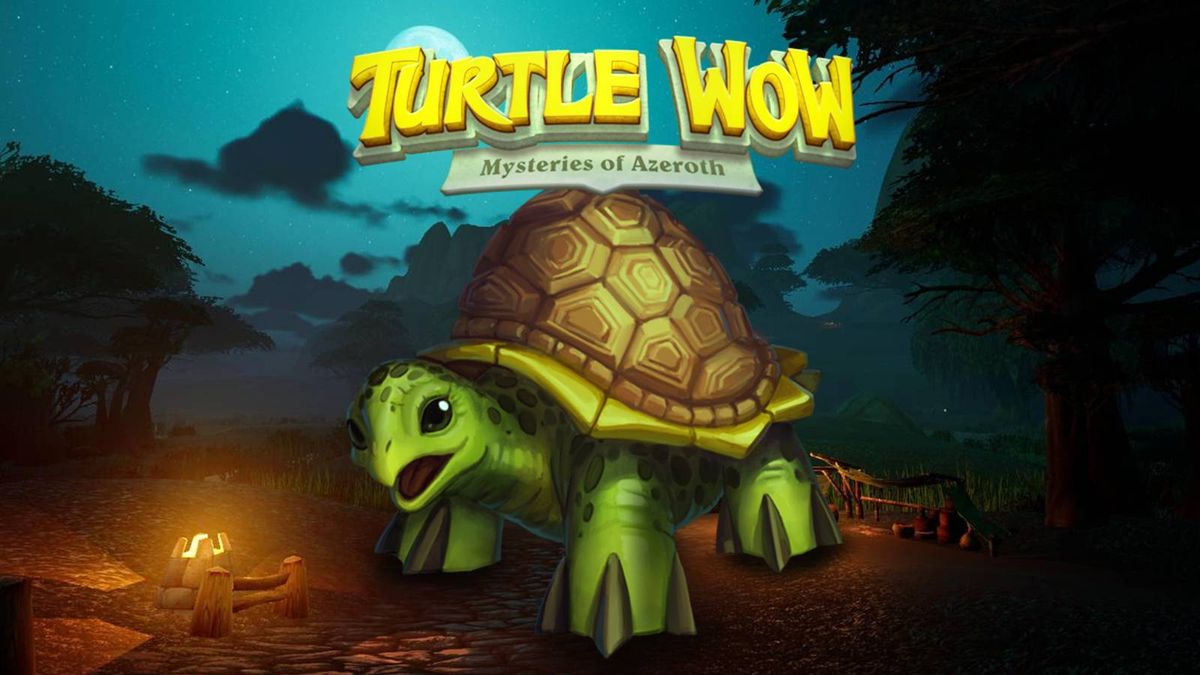
The storm broke on August 29, 2025, when Blizzard filed a bombshell federal lawsuit in the U.S. District Court against Turtle WoW, one of the largest and most innovative private servers.
Founded in 2018, Turtle WoW boasted a thriving community of thousands, complete with its own fan-made expansion, Mysteries of Azeroth, new races, quests, and even plans for a Turtle WoW 2.0 rebuilt in Unreal Engine 5.
Blizzard’s 50-page complaint didn’t pull punches: it accused the operators of copyright infringement, trademark violations, circumventing anti-piracy tech, and even running a “racketeering enterprise” that siphoned players (and potential revenue) from official servers.
Turtle WoW’s team, undeterred at first, struck a defiant tone. “Challenges come to us often, and each time we are prepared to face them,” they posted on social media, vowing to fight on.
But the writing was on the wall. The suit seeks an injunction to halt operations, plus unspecified damages—potentially crippling for a volunteer-driven project.Blizzard didn’t stop there. By early September, cease-and-desist letters rained down on other heavy hitters. Project Epoch, a fresh launch from July 2025 that had skyrocketed to 25,000 players in mere weeks, was the next casualty.
Multiple team members received legal notices, forcing a reluctant shutdown announcement.
Everlook WoW, another Classic-era emulator, followed suit, closing its doors on September 22 at 2 PM EU time after Blizzard’s direct intervention.
The pattern continued: MMO-Champion reported additional C&Ds targeting unnamed servers just days later,
while GameRant noted two more projects biting the dust by mid-September.
In total, at least four major servers have been hit since late August, with whispers of more to come. This isn’t isolated enforcement—it’s a coordinated blitz, leveraging copyright law to protect WoW’s code, artwork, music, and lore, all while invoking the End User License Agreement (EULA) that bans reverse-engineering and derivatives.
Server KILLING
This isn’t Blizzard’s first rodeo with private servers. Flash back to 2016: Nostalrius, the gold standard of vanilla WoW emulations, drew over 800,000 players before a heartfelt shutdown plea forced Blizzard’s hand. The company responded not with lawsuits, but with WoW Classic in 2019—a savvy pivot that funneled fans back to official realms.
Other takedowns followed, but the 2025 offensive feels more aggressive, perhaps fueled by WoW’s post-Dragonflight recovery and the looming Midnight expansion.Why now? Analysts point to escalating threats: private servers like Turtle WoW weren’t just emulating—they were innovating, with influencer partnerships and social media blitzes that Blizzard claims “cannibalize” their player base.
Plus, with free-to-play models and donations, these operations border on commercial ventures, blurring the line between fan projects and outright rivals.
Community Uproar
The reaction from WoW’s fringes has been a mix of heartbreak, fury, and reluctant understanding. On Reddit’s r/MMORPG and r/classicwow, threads exploded with over 200 comments each, decrying the loss of bot-free havens where real-money trading (RMT) is swiftly banned—issues that plague official servers.
2 sources “If Blizzard is going to shut down private servers, they need to do something about RMT and bots,” one top post lamented, echoing a sentiment that these servers foster healthier communities.
Players mourn the end of eras: Everlook’s tight-knit guilds, Project Epoch’s rapid rise, Turtle WoW’s lore-deep dives. “It hurts to see so much passionate work get tangled in a legal mess,” wrote PC Gamer’s contributor, capturing the bittersweet vibe.
Some speculate Blizzard’s timing aligns with internal plans—rumors swirl of official “Classic Plus” servers that could scratch the custom itch without the piracy.
Others see it as pure greed, alienating a loyal (if rogue) segment of the fanbase.Yet, not everyone’s crying foul. Defenders argue private servers educate players on server tech while providing free alternatives to a subscription model that’s ballooned to $15/month plus expansions.
And legally? Blizzard’s case is ironclad—U.S. courts have historically sided with IP holders in gaming disputes.
Azeroth’s Future Realms
As the dust settles, questions loom larger than a Fel Reaver. Will this crackdown drive wanderers back to official shores, boosting WoW Classic queues and retail subs? Or will it fracture the community further, pushing modders underground or to competitors like Final Fantasy XIV? Early signs are mixed: Turtle WoW’s lawsuit drags on, and resilient operators like Ascension WoW are absorbing refugees from fallen servers.
For Blizzard, the message is unequivocal: Azeroth is theirs to shape. “The defendants have built an entire business on large-scale, egregious, and ongoing infringement,” their filing thundered.
But for players, it’s a reminder that even in a game of endless adventure, some doors slam shut without warning.As World of Warcraft hurtles toward its 21st year, this saga underscores the eternal tug-of-war between creator control and fan freedom. Stay tuned—because in gaming, as in Azeroth, the next raid boss is always just over the horizon.